Gold Karat Explained: What Do 333, 585, 750 & 999 Actually Mean?
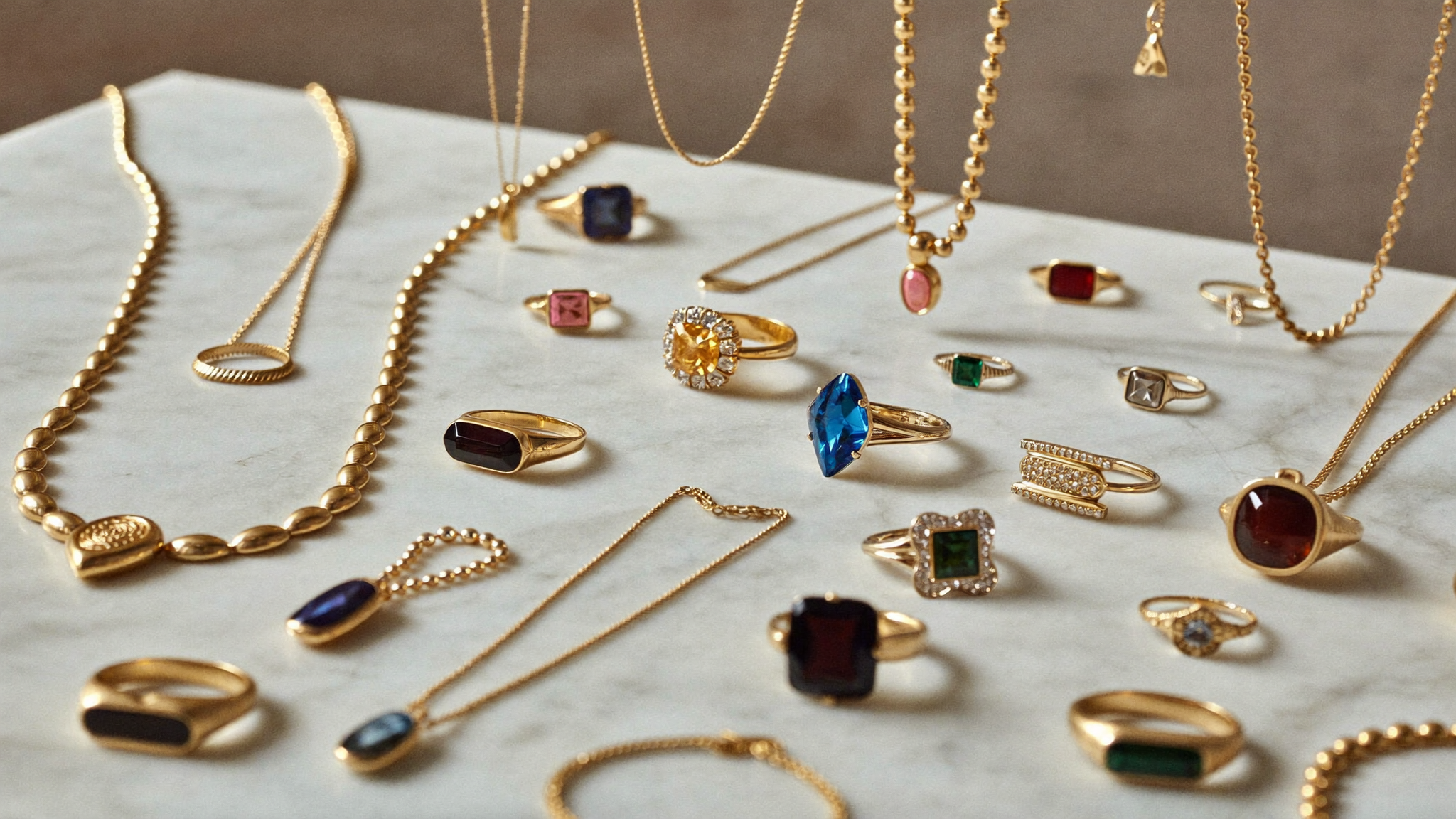
How Gold Purity Is Measured
Pure gold (24 karat / 999 fineness) is too soft for everyday jewelry. To make it wearable, gold is alloyed with other metals. Purity is expressed in two ways: Karat (kt) — a 24-point scale where 24kt = pure gold; and Fineness — parts per 1,000 that are pure gold. Both describe the same thing differently.
The Key Gold Alloys
333 – 8 Karat (33.3% Gold)
The minimum to be called “gold” in Germany. Budget-friendly but more prone to tarnishing. Best for occasional-wear fashion pieces.
585 – 14 Karat (58.5% Gold)
Germany’s most popular alloy. The sweet spot between price, durability, and beauty. Available in yellow, white, and rose gold. Ideal for wedding rings, chains, and everyday jewelry.
750 – 18 Karat (75% Gold)
Rich color, luxurious feel. The preferred choice for fine jewelry with diamonds or precious stones. Slightly softer, allowing goldsmiths to craft intricate designs.
999 – 24 Karat (99.9% Gold)
Pure gold — too soft for jewelry. Best as investment bullion, bars, or commemorative coins.
Gold Colors Explained
- Yellow Gold: The classic — alloyed with silver and copper
- White Gold: Modern and cool — alloyed with palladium, often rhodium-plated
- Rose Gold: Warm and romantic — higher copper content creates the pink hue
14k vs 18k: Which Should You Choose?
- Choose 14k (585) for everyday wear — tougher and more affordable
- Choose 18k (750) for special pieces, diamond rings, or if you want the richest color
- Sensitive skin? 18k is less likely to cause reactions due to fewer base metals
Frequently Asked Questions
What does 585 gold mean?
585 gold contains 58.5% pure gold (14 karat). It’s the most popular gold alloy in Germany, offering a great balance of value, durability, and brilliance.
What is the best gold for everyday jewelry?
14 karat (585) is ideal — durable, scratch-resistant, and affordable. 18 karat (750) is recommended for special pieces with precious stones.
Does white gold turn yellow over time?
Yes — white gold’s rhodium plating wears off gradually. Re-plating at a jeweler (around €20–50) restores the look.